

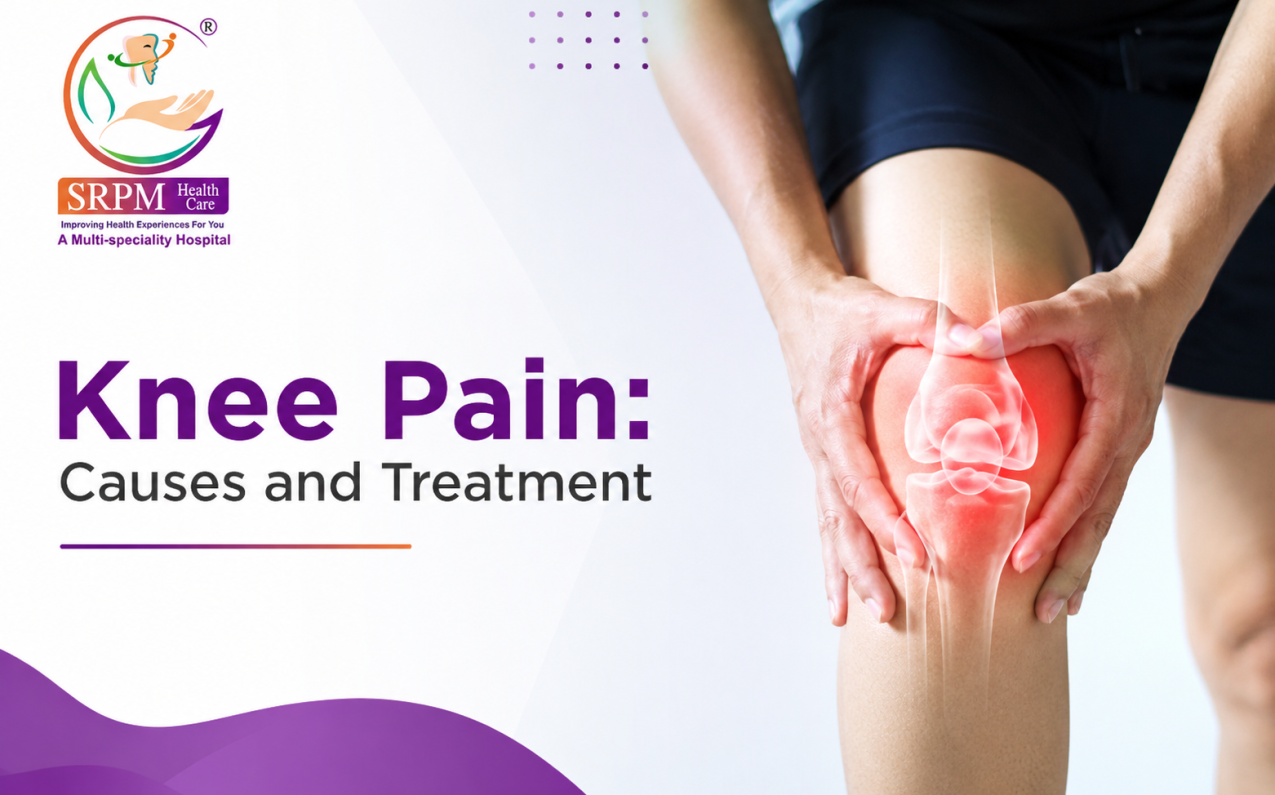
Most people will have knee pain only while ascending stairs. On a flat road, walking normally can seem easygoing, but it gets difficult to walk as soon as they go upstairs. While some feel it on the climb, others realise it more on descent.
In the beginning, this problem can be easy to overlook. People who feel this is due to fatigue or as a result of their age. But if you experience chronic pain when going up the stairs, this means your knee joint requires some medical care.
In this blog, we can discuss the common causes of knee pain, possible treatments at your disposal, and some simple exercises to help protect your knees.
Why does knee pain increase when you climb stairs?
When you climb stairs, your knees support tons more body weight than when you normally walk.
Every movement puts extra stress on your knee joints, muscle mass, ligaments, and cartilage. If these systems have been weakened, damaged or degenerated.
Common Causes of Knee Pain
1. Osteoarthritis
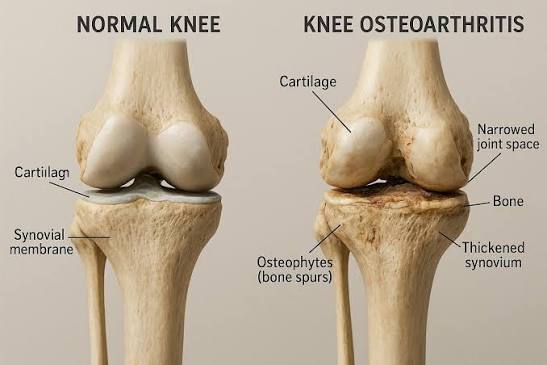
Osteoarthritis is among the most significant casualties of knee pain, mainly following the age of 45. In this condition, the cartilage that cushions bones between joints is gradually lost.
Common symptoms include:
- Pain during movement
- Morning stiffness
- Swelling
- Crackling sound in the knee
- Difficulty climbing stairs
2. Patellofemoral Pain Syndrome
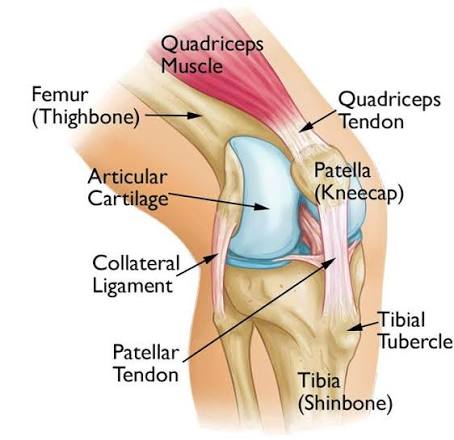
It is a condition on the front part of your knee around the kneecap.
It is commonly seen in:
- Young adults
- Runners
- People who exercise regularly
- People with sedentary job
Usually, pain aggravates during climbing stairs or squatting and prolonged sitting at bent knees.
3. Ligament Injury
The ligaments that stabilize the knee can be damaged due to a sudden turn, sports injury, or fall.
Ligament injuries may cause:
- Swelling
- Instability
- Sharp pain
- Difficulty walking
- Pain while using stairs
Read Also: Best Skin Specialist in Indirapuram How to Choose the Right Doctor
4. Meniscus Tear
Meniscus – this is a soft cushion in the knee joint. It can become torn through injury or wear-and-tear from aging.
Symptoms include:
- Knee locking
- Swelling
- Clicking sensation
- Pain during movement
5. Weak Muscles Around the Knee
Thigh and calf muscles now provide support for the knee joint. Stairs are painful for those with weak muscles, as they place pressure on the knee. Also true with sedentary individuals!
6. Excess Body Weight
Every step adds to the stress on the knees from extra body weight. Even a right weight can reduce the pressure on the joints and improve mobility.
Symptoms You Should Not Ignore
See a doctor when you observe:
- Chronic pain (that is, lasting for weeks)
- Swelling around the knee
- Difficulty walking
- Knee giving way
- Locking of the joint
- Redness or warmth
- Difficulty standing after sitting
These signs may require a thorough medical examination.
How Is Knee Pain Diagnosed?
Usually, an orthopaedic doctor will start with a physical exam.
Investigations may include:
- X-rays
- MRI scan
- Blood Tests (if inflammation is suspected)
- Walking assessment
- Joint movement evaluation
Instead of treating just the symptoms, a proper diagnosis tells you what is really causing it.
Treatment Options
How you treat the pain depends on what is causing it.
Rest and Activity Modification
Stay at home for the first few days and refrain from anything that makes the pain worse. This allows the knee to recuperate.
Physiotherapy
Exercise under professional guidance helps:
- Strengthen muscles
- Improve flexibility
- Reduce stiffness
- Improve balance
Timely physiotherapy often gives long-term improvement.
Medicines
When patients need medicines for pain relief then Doctors may prescribe medicines. These should always be taken as advised by a healthcare professional.
Weight Management
Weight Management also plays an important role in your knee pain. The right weight pressure on the knee joint. It supports better mobility and relieves pain.
Supportive Knee Braces
Some patients benefit from braces during walking or exercise.
However, they should only be used on medical advice.
Surgery
Surgery is considered when other treatments no longer provide relief or when there is significant joint loss.
The choice depends on the patient’s age, symptoms, and knee conditions of the affected person.
Simple Ways to Protect Your Knees
Healthy habits can reduce stress on your knees.
Try these tips:
- Exercise regularly.
- Maintain a healthy body weight.
- Wear comfortable footwear.
- Instead of sitting still for long periods throughout the day.
- Stretch before physical activity.
- If necessary, use handrails when walking up stairs.
- To avoid ignoring recurring knee pain.
Small tweaks to your day-to-day life will provide a stark improvement.
When Should You Visit an Orthopaedic Doctor?
Do not wait until the pain becomes severe.
Visit an orthopaedic specialist if:
- Pain continues despite rest
- Swelling keeps returning
- Walking becomes difficult
- You cannot climb stairs comfortably
- Your knee feels unstable
Early treatment usually results in greater cure rates.
Final Thoughts
If you have knee pain walking up the stairs every day, don’t take it lightly. This can be caused by arthritis, muscle weakness, joint accidents, or other joint issues. However, early diagnosis and proper timing of treatment monitoring can help stay away from similar headaches.
3 pillars to protect the knee and maintain energy (listen to your body, rest and seek doctor advice)
FAQ
1.Why does my knee hurt while climbing stairs only?
The act of going up the stairs adds extra stress to the knee joint and maybe this is the cause of arthritis, muscle weakness, or kneecap disorders.
2.Can you improve knee pain without surgery?
Yes. Most of them regrow with rest, physiotherapy, exercises, weight control and based medicines depending on the picture.
3.Is knee pain definitely arthritis?
No, Knee pain can also be caused by torn ligaments, cartilage damage, as well as muscle weakness or overuse.
4.How much does it cost to see an orthopedic doctor?
It totally depends on your issue and treatment.